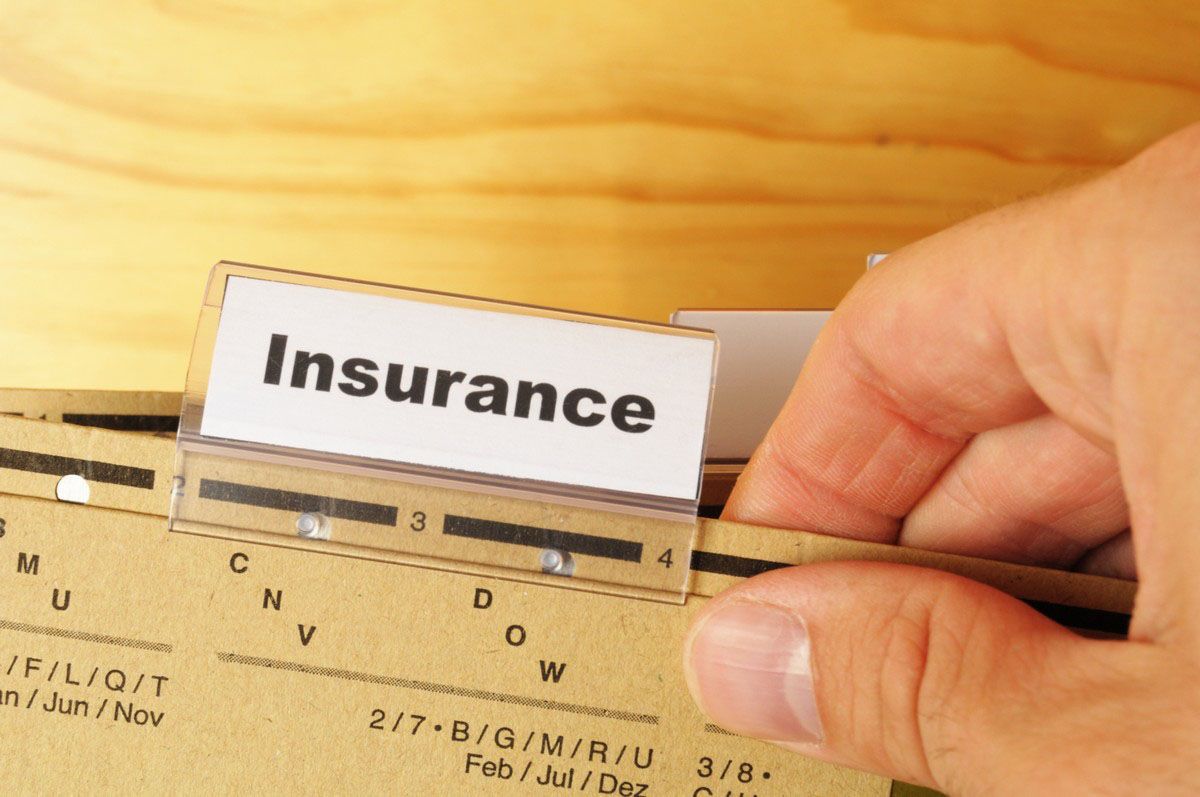
Running a business involves making decisions that can affect finances, operations, employees, customers, and long-term growth. While owners often focus on generating revenue and serving customers, it is also important to prepare for unexpected situations that could create financial losses. Property damage, customer injuries, legal claims, and other incidents can arise without warning and place pressure on a company's resources. Insurance can help businesses manage certain covered risks and reduce the financial impact of unexpected events. According to the Federal Reserve's 2025 Small Business Credit Survey, 91% of employer firms reported carrying liability coverage, showing how common this type of protection is among businesses with employees. The types and amounts of coverage a company needs can vary based on its industry, size, location, operations, and specific exposures. Understanding the basics can help owners ask better questions and make more informed decisions about protecting what they have built. From liability concerns to property protection, several important factors should be considered when developing an insurance strategy.
Understanding the Purpose of Liability Coverage
Liability coverage is designed to help address certain claims involving injuries, property damage, or other losses for which a business may be legally responsible. A customer could slip inside a store, a visitor could be injured at a jobsite, or business activities could accidentally damage someone else's property. These situations may result in expenses that can include legal defense costs, settlements, or judgments when covered by the policy. Business liability insurance can provide an important layer of financial protection against qualifying claims. The exact protection available depends on the policy language, limits, exclusions, and circumstances surrounding the incident. Business owners should understand that insurance does not eliminate every risk or guarantee coverage for every possible event. Instead, it can be part of a broader approach to managing the financial consequences of unexpected situations. Reviewing coverage carefully helps owners understand what protection may be available before a problem occurs.
Identifying the Risks Facing the Business
Every company faces a different combination of risks based on how it operates. A contractor working at customer properties may have different concerns than a retail store, professional office, restaurant, or manufacturing company. Business owners should consider where work takes place, who interacts with the company, and what activities could potentially lead to losses. Business liability insurance may be one consideration when evaluating risks involving customers, clients, vendors, and members of the public. The company's equipment, property, vehicles, employees, and digital information may also create separate coverage needs. Identifying potential exposures can help owners determine which risks are most significant for their operations. This process may also reveal gaps between the company's existing coverage and its current activities. A thoughtful risk assessment creates a stronger foundation for selecting insurance that aligns with the business.
Comparing Different Types of Coverage
Business insurance is not limited to a single policy or type of protection. General liability coverage may address certain third-party claims, while commercial property coverage can help protect qualifying losses involving business-owned buildings or contents. Companies that use vehicles for work may also need commercial auto coverage. Businesses with employees may have obligations related to workers' compensation, depending on applicable laws and circumstances. Business liability insurance can be combined with other forms of coverage to create a more complete protection strategy. Professional liability, cyber coverage, equipment coverage, and business interruption protection may also be relevant for certain operations. The right combination depends on the nature of the company and the risks it faces. Comparing available options helps owners avoid assuming that one policy automatically protects every part of the business.
Reviewing Policy Limits and Exclusions
Having insurance is important, but understanding the details of a policy is equally essential. Coverage limits generally affect the maximum amount an insurer may pay for certain covered losses, subject to the terms of the policy. A limit that appears sufficient for one business may not provide the same level of protection for another. Business liability insurance should be reviewed in relation to the company's size, activities, contracts, and potential financial exposure. Policy exclusions can also identify situations, activities, or types of losses that are not covered. Deductibles, endorsements, and other policy provisions may further affect how coverage applies. Business owners should take time to review these details instead of focusing only on the cost of the premium. A clearer understanding of policy terms can help prevent surprises when a claim or unexpected event occurs.
Considering Industry-Specific Requirements
Some industries have insurance needs that are influenced by the type of work they perform. Contractors, for example, may encounter different liability exposures than consultants, retailers, or professional service providers. Certain clients, landlords, lenders, or government agencies may also require proof of specific coverage before allowing a business to begin work or enter into an agreement. Depending on the situation, business liability insurance may be required by contract or expected as part of professional operations. Coverage requirements can also vary based on the location of the business and applicable regulations. Owners should review contractual obligations carefully before agreeing to insurance requirements that may involve specific limits or policy types. Failing to maintain required coverage could create complications when pursuing projects or maintaining important business relationships. Understanding industry expectations can help companies prepare for opportunities without making last-minute insurance decisions.
Protecting Business Property and Operations
Liability claims are only one type of event that can disrupt a business. Fire, severe weather, theft, equipment damage, and other incidents may affect the physical property a company depends on to operate. The financial consequences can become more serious when a business is unable to continue normal operations during repairs or recovery. While business liability insurance addresses certain third-party claims, additional policies may be needed to help protect company-owned property and income. Business owners should consider the value of their equipment, inventory, furniture, technology, and other important assets. A detailed inventory can make it easier to understand what needs protection and may also be helpful when documenting a loss. Planning for operational disruptions can support a more complete approach to managing unexpected challenges. Looking beyond a single type of coverage helps owners consider how different events could affect the entire business.
Reviewing Coverage as the Business Changes
Insurance needs can change as a company grows and evolves. Hiring employees, purchasing new equipment, expanding into new locations, adding services, or increasing revenue can all affect the level and type of coverage that may be appropriate. A policy that fit a business years ago may no longer reflect its current operations. Regularly reviewing business liability insurance can help owners determine whether their coverage still aligns with the risks they face. Major changes should also be discussed before they create a situation where existing coverage may no longer be suitable. Annual reviews can provide an opportunity to update business information and ask questions about new exposures. Owners may also discover that certain policy limits or coverage options should be adjusted as the company develops. Keeping insurance aligned with operational changes can support better long-term risk management.
Working With an Experienced Insurance Professional
Choosing insurance can feel complicated when a business has multiple assets, employees, contracts, and potential sources of risk. An experienced professional can help owners review their operations and understand the different coverage options available to them. Matlack Company can work with business owners to discuss their insurance needs and help them explore coverage solutions that fit their operations. Business liability insurance is often an important consideration, but it should be evaluated alongside other policies that may be relevant to the company. A knowledgeable insurance professional can explain policy terms, limits, and options so owners can make decisions with a clearer understanding of their choices. Regular communication can also make it easier to adjust coverage as the business changes over time. Rather than waiting for an unexpected event to reveal a potential gap, owners can take a proactive approach to reviewing their protection. With the right guidance, businesses can develop an insurance strategy that supports their operations and helps them prepare for the unexpected.
Protect your company with insurance coverage that reflects the way your business operates. Contact us today to discuss your needs and explore solutions that can help you prepare for the risks that come with running a business.