By Mike Matlack
November 4, 2026
Getting behind the wheel for the first time is an exciting milestone, offering newfound independence and responsibility. However, becoming a licensed driver also means understanding the financial obligations associated with vehicle ownership and operation. From understanding coverage limits to comparing premiums, several factors influence the type and cost of protection available.
According to IBISWorld, there are 1,419 businesses in the automobile insurance industry in the United States. Learning the fundamentals of automobile liability insurance can help new drivers avoid unexpected expenses and feel more prepared for the responsibilities of driving. This guide explores the essential components of liability coverage, common considerations for first-time policyholders, and practical ways to select appropriate insurance.
What Automobile Liability Insurance Covers
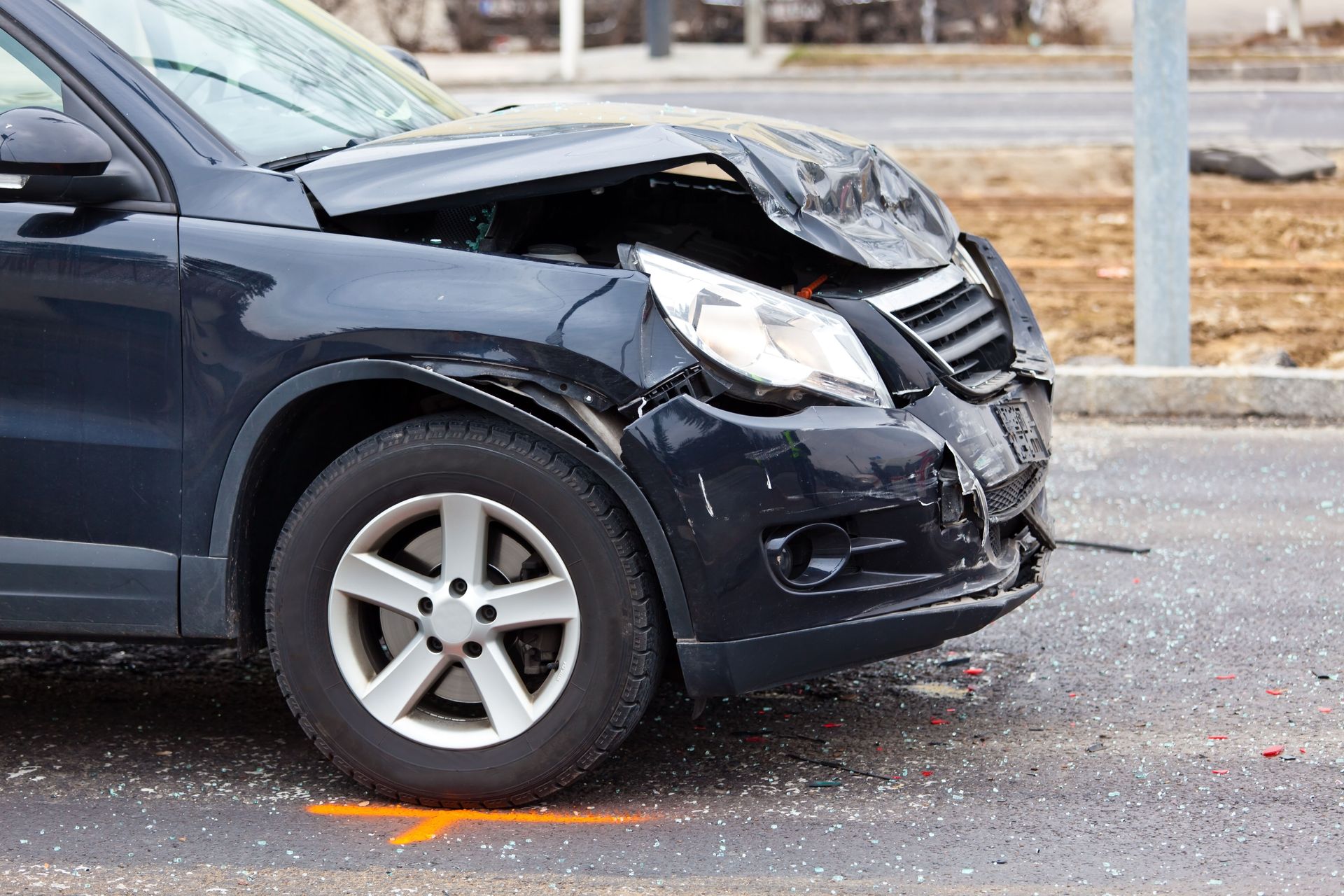
Automobile liability insurance is designed to provide financial protection when a policyholder is legally responsible for causing an accident. Unlike coverage that pays for damage to the policyholder's own vehicle, liability insurance generally addresses certain expenses incurred by other individuals involved in a collision.
There are two primary components of liability coverage: bodily injury liability and property damage liability. Bodily injury liability helps cover eligible medical expenses, lost wages, and other damages resulting from injuries to another person. Depending on the policy and circumstances, it may also provide coverage for legal defense expenses.
Property damage liability helps pay for damage caused to another person's vehicle or property. This might include repairing another car, replacing damaged fencing, or addressing damage to a building following a collision.
Understanding these distinctions is particularly important for new drivers who may mistakenly assume that liability insurance covers every expense associated with an accident. Additional insurance options are typically necessary to protect their own vehicles against collision-related damage.
Why Liability Insurance Is Required
Most states require drivers to carry some form of automobile liability insurance or demonstrate financial responsibility through an approved alternative. These requirements are intended to help protect individuals who suffer injuries or property damage because of another driver's actions.
Minimum insurance requirements vary by state. Some jurisdictions establish specific bodily injury and property damage coverage limits, while others operate under no-fault insurance systems with additional requirements.
Driving without legally required coverage can result in significant consequences. Depending on state law, penalties may include fines, license suspension, vehicle registration restrictions, and additional fees. Uninsured drivers may also become personally responsible for substantial expenses following an accident.
New drivers should familiarize themselves with the insurance regulations in their state before operating a vehicle. Meeting the minimum legal requirements is an important starting point, but those minimums may not provide sufficient financial protection after a serious collision.
Working with an insurance professional can help first-time drivers understand applicable requirements and evaluate whether additional coverage would be beneficial.
How Liability Coverage Limits Work
One of the most important aspects of automobile liability insurance is understanding coverage limits. These limits represent the maximum amount an insurance company will pay for covered claims, subject to the policy's terms and conditions.
Liability limits are frequently displayed as three numbers, such as 100/300/50. In this example, the policy generally provides up to $100,000 in bodily injury coverage per person, $300,000 in total bodily injury coverage per accident, and $50,000 in property damage coverage per accident.
While these amounts may appear substantial, serious accidents can generate expenses exceeding the available coverage. Medical treatment, rehabilitation, lost income, and vehicle repairs can create significant financial obligations.
When covered damages exceed policy limits, the responsible driver may be personally liable for the remaining amount. This possibility makes selecting appropriate limits especially important.
New drivers should evaluate their financial circumstances, potential risks, and available insurance options when determining coverage amounts. Choosing limits above state minimums may provide greater protection against unexpected financial consequences.
What Influences Insurance Premiums
Insurance premiums can vary considerably between drivers, even when they purchase similar coverage. Insurance companies evaluate numerous factors to estimate the likelihood and potential cost of future claims.
For new drivers, limited driving experience is often a major consideration. Insurers generally view inexperienced motorists as presenting greater risk because they have not yet established a lengthy record of safe driving.
Age can also influence pricing, particularly among teenage drivers. Additional considerations may include the type of vehicle, annual mileage, driving record, and location. Some insurers also consider credit-based insurance information where permitted by law.
Understanding these pricing factors helps new drivers recognize why quotes differ and identify opportunities to manage insurance expenses.
How to Choose Appropriate Coverage
Selecting automobile liability insurance involves more than purchasing the least expensive available policy. New drivers should consider their individual circumstances and the financial consequences of being responsible for an accident.
A useful starting point is reviewing state-mandated coverage requirements. From there, drivers can evaluate whether higher liability limits would provide additional financial security.
Vehicle ownership arrangements may also affect insurance decisions. For example, individuals financing or leasing a vehicle are often required by their lenders or leasing companies to maintain comprehensive and collision coverage in addition to liability insurance.
New drivers should also consider their household insurance arrangements. In some situations, joining an existing family policy may be more practical than purchasing an individual policy. However, eligibility and pricing depend on the insurer's underwriting rules.
Comparing available coverage options with an insurance professional can help drivers understand exclusions, policy conditions, and potential gaps in protection before making a final decision.
How to Reduce Insurance Costs
Although new drivers frequently face higher insurance premiums, several strategies may help make coverage more affordable. Developing responsible driving habits is among the most valuable long-term approaches.
Maintaining a clean driving record can help prevent additional premium increases associated with accidents and traffic violations. Over time, gaining experience without filing claims may also improve eligibility for favorable pricing.
Many insurance companies offer discounts that could benefit inexperienced drivers. Depending on the provider, these may include good student discounts, approved driver education discounts, and savings for insuring multiple vehicles under one policy.
Comparing quotes from different insurance companies is another practical strategy. Premiums and available discounts vary between providers, making it worthwhile to review several options before selecting coverage.
Drivers should also periodically review their policies as their circumstances change. Adjustments to vehicle usage, household arrangements, or coverage needs may create opportunities for savings without sacrificing important financial protection.
What Happens After an Accident
Knowing how automobile liability insurance works during the claims process can help new drivers respond appropriately following an accident. Although every situation differs, several general steps are important.
The immediate priority should always be safety. Drivers should check for injuries, contact emergency services when necessary, and follow applicable laws regarding reporting collisions and exchanging information.
After addressing immediate concerns, drivers should notify their insurance company promptly. Providing accurate information about the incident allows the insurer to begin evaluating the claim.
The insurance company may review photographs, statements, police reports, and other available evidence to determine applicable coverage and assess responsibility. Depending on the circumstances, the insurer may communicate with other involved parties and evaluate eligible damages.
New drivers should avoid assuming responsibility before the circumstances are fully understood. They should also cooperate with their insurer and retain relevant documentation.
Understanding
automobile liability insurance is an important step toward becoming a responsible and financially prepared driver. From learning about coverage limits and state requirements to comparing premiums and maintaining safe driving habits, new drivers have several factors to consider when purchasing protection. Taking the time to evaluate available policies can help prevent unexpected financial difficulties following an accident.
At Matlack & Company, we understand that selecting insurance coverage can feel overwhelming for first-time drivers. Our team can help you explore available insurance options, understand important policy details, and find coverage suited to your needs. Contact Matlack & Company today to learn more about protecting yourself financially as you begin your driving journey.